
Sharleen Mohammed
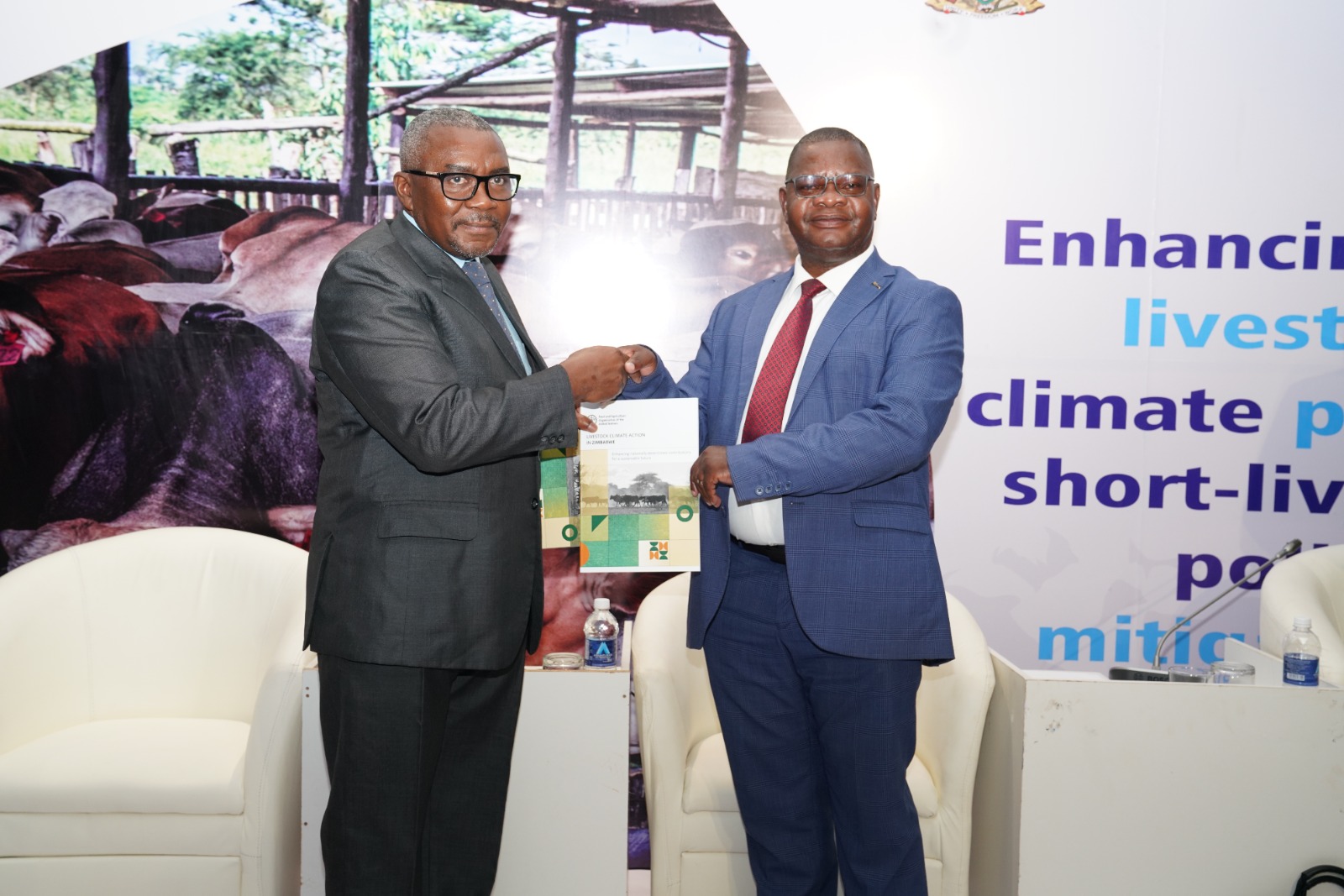
Government with support from the Food and Agriculture Organisation of the United Nations (FAO) and the Climate and Clean Air Coalition, recently launched a major project aimed at helping cattle farmers raise healthier herds while reducing harmful gases from livestock, strengthening food security, and building resilient rural communities which aligns with the country's National Development Strategy 2 (NDS2).
The initiative, attended by farmers, private sector players, and development partners, targets emissions produced by cattle and promotes climate- smart practices in Zimbabwe's extensive beef sector.
Emissions are gases released naturally by livestock, such as methane, which contribute to climate change.
Reducing these gases while maintaining or increasing livestock productivity is central to the new project, which combines mitigation and adaptation strategies.
Addressing delegates at this event, MoLAFWRD Permanent Secretary, Professor Obert Jiri said government had identified gaps in coordination, financing, and practical guidance for farmers.
"We realized that while policies exist, farmers often lack the tools and knowledge to adopt climate-smart practices," he said. He added, "This project is about turning policy into action on the ground, giving farmers clear steps to manage their herds better."
Prof. Jiri further emphasized, "Healthier cattle mean better incomes, improved nutrition, and stronger rural communities across the country."
Speaking at the same event, FAO Country Representative for Zimbabwe, Eswatini, and Lesotho , Dr. P. Talla Takoukam, , highlighted the importance of collaboration.
"Supporting farmers with better feeds, animal care, and grazing management ensures that climate action delivers tangible benefits," he said. He also noted, "By linking livestock development with climate goals, we strengthen both our environment and our communities."
Dr. Takoukam added: "This initiative shows that when government and development partners work together, farmers are empowered to adapt, innovate, and thrive."
Under the project, farmers will receive guidance on improved animal nutrition, sustainable grazing, drought-resistant breeds, and better data collection to monitor livestock numbers and productivity.
These measures aim to increase productivity, build resilient rural economies, and reduce harmful gases per animal by up to 40% by 2030. Early results are expected to improve household incomes and nutrition while giving farmers tools and knowledge to adapt to changing climatic conditions. Stakeholders emphasized that multi-sector collaboration, local capacity building, and practical interventions are key to achieving the project's goals.
The initiative aligns with Zimbabwe's National Development Strategy 2 and the country's enhanced Nationally Determined Contribution (NDC 3.0), which sets national targets for livestock growth, climate resilience, and sustainable rural development.