
Sharleen Mohammed
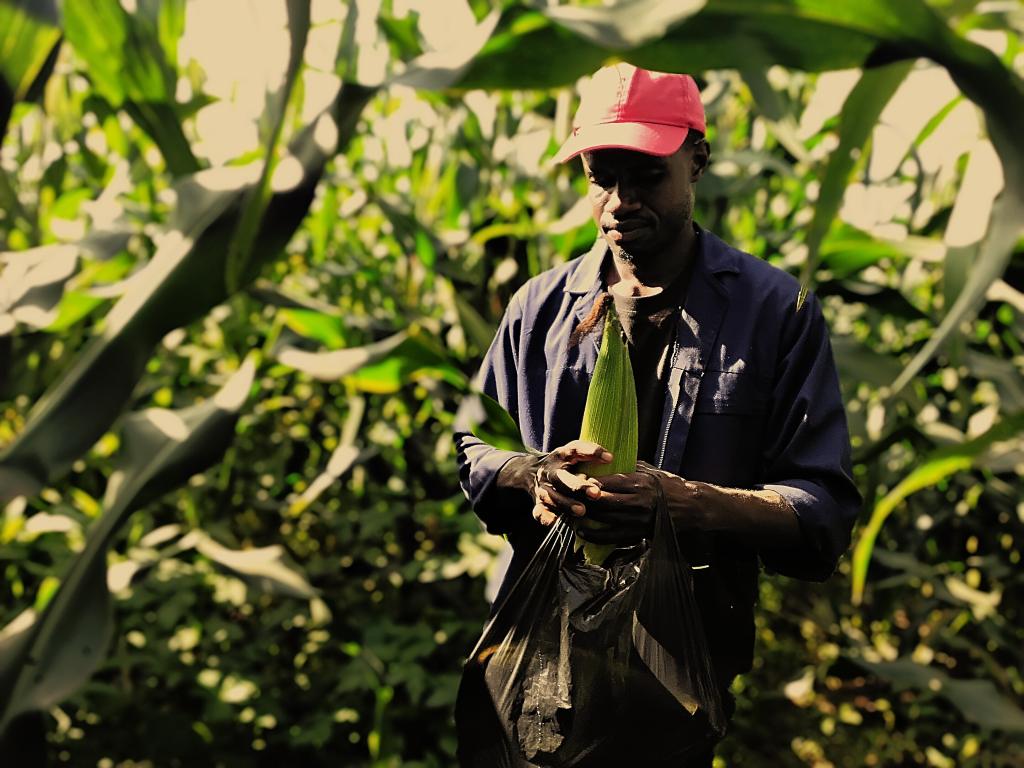
Standing quietly among rows of irrigated crops at plot 11A in Harare is 34-year-old Kudakwashe Andifasi, dark-skinned, soft-spoken, yet unmistakably driven.
“I treat farming like a business, not just planting and hoping for rain,” said Andifasi,with his eyes scanning his maize and sugar bean fields.
Since 2018, Andifasi has been building a modern agribusiness that reflects the opportunities created by government agricultural policies and the determination of a new generation of farmers willing to take them seriously.
Armed with a degree in agriculture from Midlands State University and a post graduate qualification in Micro-Finance from the University of Zimbabwe, Andifasi has installed drip irrigation, ensuring year-round production. His farm produces over 10 tonnes of maize annually, along with sugar beans, tomatoes, green pepper, red peppers and other crops.
“Drip irrigation allows me to grow even when rains fail. I don’t wait-I make sure the farm works for me,” he adds.
What sets his operation apart is value addition. Maize is processed on-site using a dehuller and grinding mill, turning dry grain into stockfeed for his road runner chickens and broilers. Chicken manure is composted and returned to the fields, creating a closed-loop system that maximises output and minimises costs. He also produces vermicompost, expanding his fertilizer business.
“Its no longer about survival,” Andifasi says. “we are producing, processing and creating products that can enter local and international markets.”
His farm sustains over 10 full-time jobs and provides livelihoods for his family and workers, illustrating how youth-led agribusiness can contribute to rural economic growth. This mirrors government’s agenda on rural transformation and agro industrialisation, where value addition and youth empowerment are key pillars.
Andifasi is now appealing to industry partners and financer. “We want to scale this business, develop local agro-processing, and open export markets,” he says.
“If we invest in local production and processing, we create jobs, grow rural economies, and show young people that farming is not dirty work, its opportunity.”
With his maize, vegetables and poultry, he exemplifies the impact of government policies aimed at youth participation, climate-smart agriculture and value addition. His story shows that with the right support, discipline and vision, Zimbabwean youth can lead the country into food security, industrialisation, and economic empowerment.