From a welding student in Gweru to a young woman recovering from drug addiction in Harare, young Zimbabweans are hoping the 2027 National Budget will turn government promises into opportunities they can see and feel.
Sharleen Mohammed
At 5am, while much of Gweru is still waking up, 21-year-old Tinotenda Moyo is already preparing for another day at the vocational training centre.
His journey to Gweru Vocational Training Centre is driven by a simple ambition: to become a skilled welder, open his own workshop and eventually employ other young people.
But behind that ambition is a challenge that many young people in Zimbabwe understand too well. Having the desire to succeed does not always mean having the tools, equipment or financial support to make it happen.
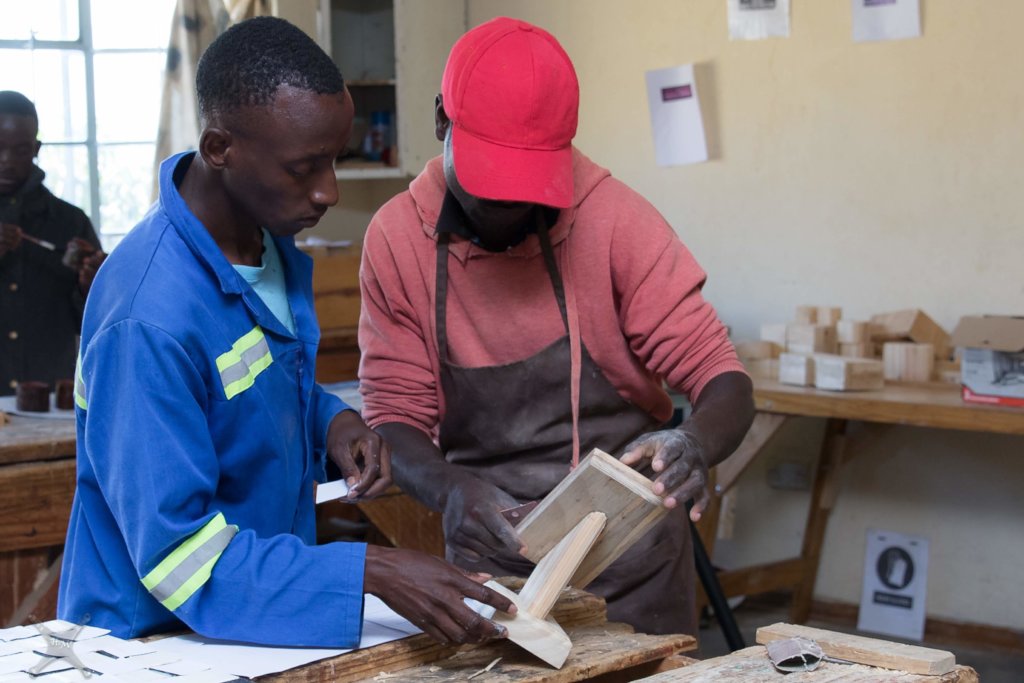
At the centre, students have to share limited equipment, making practical training difficult.
“We hear about billions every year, but our workshop still has two working welding machines for 40 students. We share helmets. We share gloves,” Moyo said.
His frustration comes at a time when the Government has allocated ZiG1.9 billion to the Ministry of Youth Empowerment, Development and Vocational Training in the 2027 National Budget.
For Moyo, the announcement brings hope, but also raises a familiar question: will the money actually reach young people who need it?
He is not asking for much. Working equipment, access to practical training and support to start his own business could make the difference between joining the growing number of unemployed young people and becoming an employer himself.
Across Zimbabwe, thousands of young people are facing similar uncertainty. While many are acquiring qualifications and technical skills, finding employment or securing the resources to start businesses remains a major challenge.
Figures presented before Parliament's Portfolio Committee on Youth point to the scale of the problem, with approximately 2.5 million young people not in employment, education or training. Another 118,000 vocational training graduates are also facing difficulties entering the job market, with limited access to start-up capital, equipment and markets standing in their way.
These figures represent more than statistics. They reflect young people with qualifications but no jobs, business ideas but no capital, and ambitions that are often held back by circumstances beyond their control.
The 2027 National Budget has therefore raised expectations among young people who want to see greater investment in skills development, entrepreneurship and employment creation.
Finance Minister Professor Mthuli Ncube's allocation of ZiG1.9 billion to the youth ministry, alongside ZiG1.3 billion for sport and arts development, is expected to support vocational training, youth entrepreneurship, creative industries and efforts to address drug and substance abuse.
The Budget Committee Chairperson, Honourable Lincoln Dhliwayo, also highlighted the allocation for youth empowerment and the construction of rehabilitation centres as part of Government's response to the growing drug and substance abuse problem.
“He has also committed ZiG1.8 billion to the youth for their empowerment projects and also deal with the scourge of drug abuse through construction of rehabilitation centres,” Dhliwayo said.
For young people, the issue goes beyond how much money has been allocated. They want to know how it will be spent, who will benefit and whether the support will reach communities where unemployment and drug abuse are taking a heavy toll.
In Mbare, Harare, 23-year-old Chiedza is among those hoping that increased investment in rehabilitation services will offer young people a chance to rebuild their lives.
Recovering from drug addiction has not been easy. She has seen friends struggle with substance abuse, while others have lost their lives. Her greatest concern now is her younger brother, who is also at risk.
“My friends are dying. If Government builds those centres, maybe my brother will get help before it is too late,” she said.
Her experience brings another dimension to the youth budget debate. For some young people, empowerment means access to training and employment. For others, it begins with getting the help they need to overcome addiction and regain control of their lives.
The proposed rehabilitation centres could help address this gap by providing treatment and support to young people struggling with drug and substance abuse. However, their impact will depend on the availability of trained personnel, appropriate facilities, sustained funding and support for reintegration into society.
Youth empowerment is also about creating an environment in which young people can turn their ideas into sustainable businesses.
Youth Minister Tino Machakaire has challenged young people to take an active role in building businesses that can grow, employ others and contribute to the economy.
He has raised an important question about the kind of support Government should provide to help young entrepreneurs move from small ideas to sustainable businesses.
“What can Government do to help young people build businesses that can grow, employ others and contribute to the national fiscus?” Machakaire asked.
For young people such as Moyo, the answer begins with practical support.
Access to affordable loans, start-up equipment, business development training and reliable markets could help vocational graduates put their skills to work rather than remain unemployed after completing their studies.
A young person trained in welding, for instance, should be able to use that qualification to establish a workshop, secure contracts and eventually employ others. The same applies to graduates in carpentry, motor mechanics, construction, agriculture and other vocational trades.
But without access to equipment and capital, many of these skills remain underutilised.
Moyo believes that if he receives the right support after completing his training, he will not have to spend years searching for employment.
“If I get my certificate and a starter kit, I will not need to look for a job. I will create jobs,” he said.
His ambition captures what many young Zimbabweans are asking for: an opportunity to work, earn an income and contribute to the country's development.
The challenge for Government will be ensuring that the ZiG1.9 billion allocation translates into measurable improvements in the lives of young people. This means strengthening vocational training institutions, expanding access to affordable financing, supporting youth-led businesses and ensuring that rehabilitation services are accessible to those who need them.
It also means making sure that young people outside major towns and cities are not left behind, and that funding reaches training centres, community initiatives and entrepreneurs across the country.
Zimbabwe's youth are not short of ideas or ambition. Many are already learning trades, starting small businesses, pursuing creative careers and looking for ways to contribute to their communities. What they often lack are the resources and opportunities to take the next step.
For Moyo, that next step could be a properly equipped workshop in Gweru. For Chiedza, it could be a rehabilitation centre where her brother can receive the help he needs.
Their circumstances are different, but their expectations of the 2027 Budget are similar. They want to see Government commitments translated into real support.
Ultimately, the success of the youth allocation will not be measured only by the billions announced in Parliament. It will be measured by how many young people acquire meaningful skills, secure employment, establish sustainable businesses and receive the support they need to rebuild their lives.
For now, Moyo still has his dream of owning a welding workshop, while Chiedza continues to hope for a better future for her brother.
Both are waiting to see whether this year's promises will finally make a difference.