Sharleen Mohammed
Rural women in Siboza, Zvishavane District, are set to benefit from new opportunities to build businesses, improve their livelihoods and access protection services following the opening of a Skills Training, Value Addition and Processing Centre and an adjacent safe shelter on 2 November 2026.
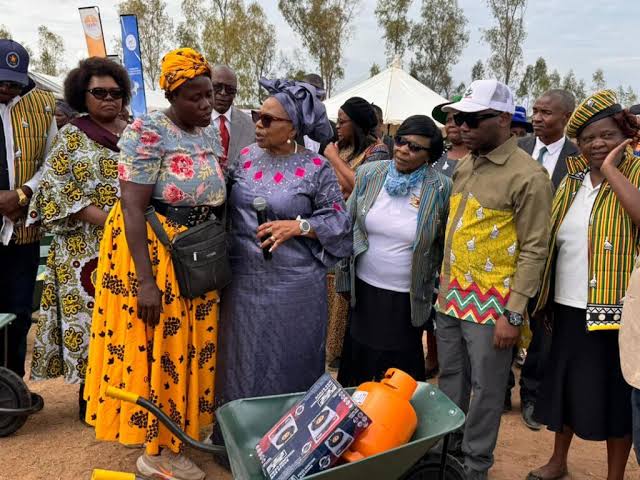
The two facilities were officially commissioned during Zimbabwe's commemoration of the International Day of Rural Women, hosted by the Ministry of Women Affairs, Community, Small and Medium Enterprises Development at Siboza Primary School. The event was held under the theme, “Rural Women Farmers Caring for Mother Nature”.
With support from the United Nations Development Programme (UNDP) through the Global Environment Facility Small Grants Programme (GEF SGP), and implemented by LID Agency, the new centre is equipped with machinery for diamond-mesh fence production and food processing.
During the commissioning, women demonstrated how the fence-making equipment works, showing the potential for local cooperatives to produce goods for the market, grow their businesses and earn additional income.
Of the centre's 266 direct beneficiaries, 199 are women, representing nearly 75 per cent. The initiative aims to give rural women practical skills and the tools they need to move beyond subsistence activities, add value to their products and build sustainable income-generating businesses.
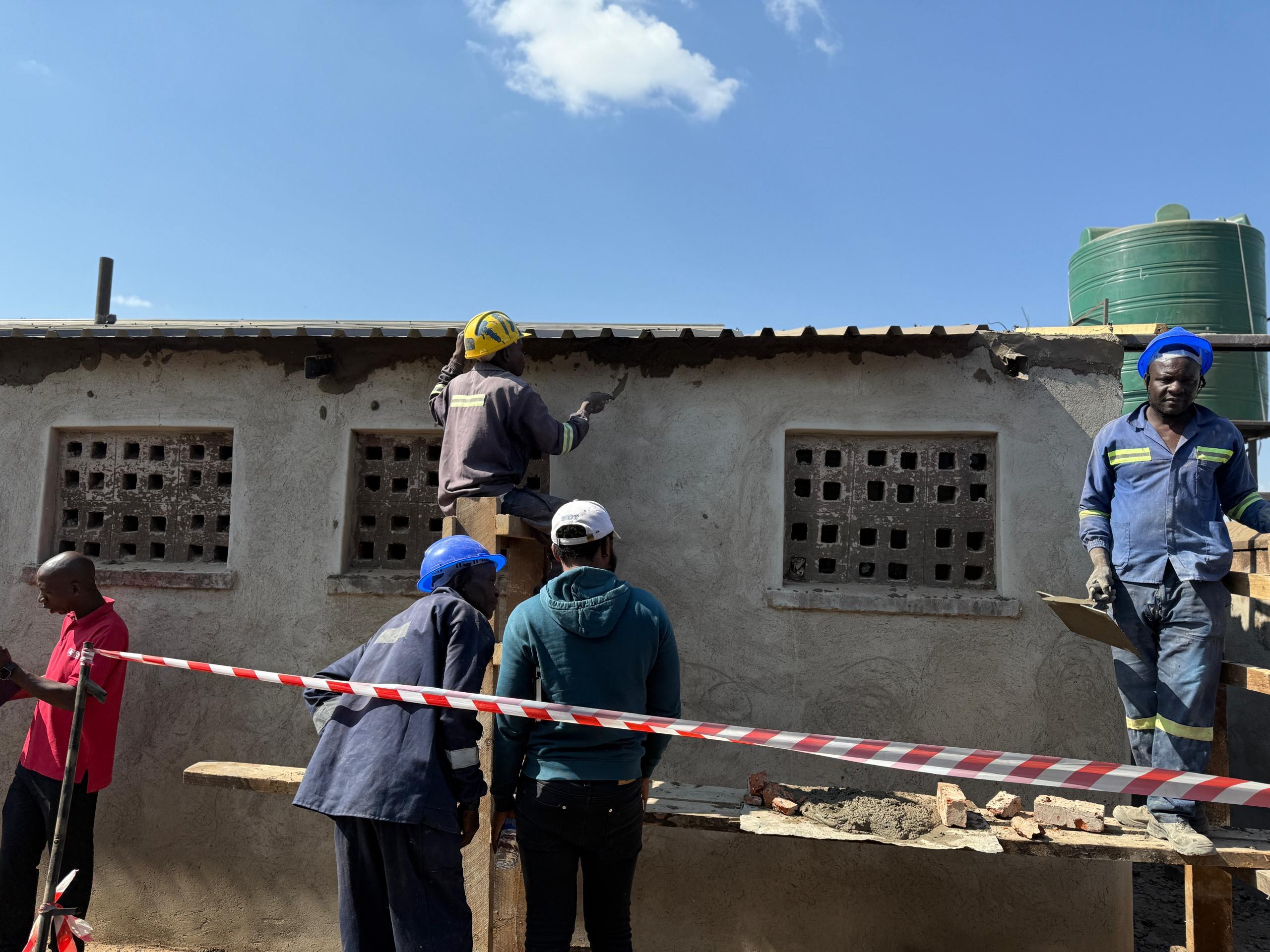
Alongside the skills centre is the Siboza Safe Shelter, funded by the Government and people of Japan through the Embassy of Japan in Zimbabwe. The shelter is intended to provide a dedicated space for the prevention of and response to gender-based violence, offering protection and support to survivors.
Having both facilities in one community is significant. While the skills centre creates opportunities for women to become more financially independent, the shelter addresses the need for safety, dignity and support. Together, they recognise that women cannot fully participate in economic activities without an environment where they feel safe and protected.
Speaking at the commemoration, Honourable Monica Mutsvangwa, Minister of Women Affairs, Community, Small and Medium Enterprises Development, described rural women as “the architects of Zimbabwe’s food security, stewards of our natural resources, and a driving force within our rural economies.”
She also highlighted the challenges women continue to face, particularly limited access to land and finance, as well as the growing impact of climate change on their livelihoods.
Speaking on behalf of the United Nations Resident Coordinator, Dr. Rosemary Kalapurakal, UN Women Deputy Representative Dr. Loveness Makonese reaffirmed the UN's commitment to supporting rural women.
“Rural women should have the resources and opportunities to build secure livelihoods, adapt to climate change and live free from violence. The United Nations remains committed to working with partners to make this a reality,” she said.
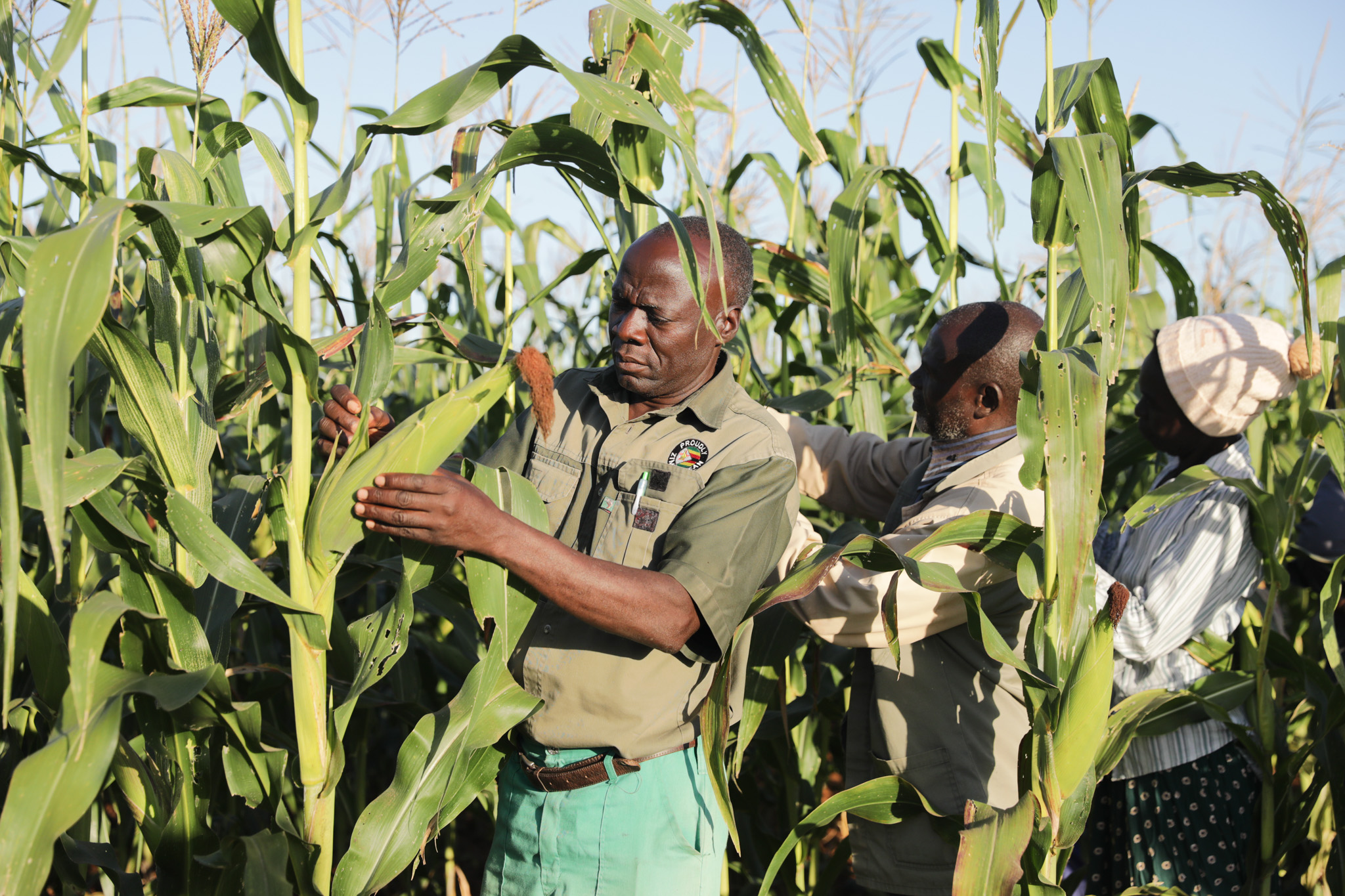
The skills centre also supports wider community efforts to protect the Chebvute-Rambatemwa wetland. Exhibitions held during the event highlighted how protecting wetlands and managing watersheds can contribute to sustainable livelihoods. Activities such as horticulture, poultry production, food processing and fence manufacturing offer opportunities for communities to earn income while making better use of their natural resources.
Participants also took part in tree planting, reinforcing the importance of protecting the environment for present and future generations.
With the facilities now in place, the focus will be on ensuring that they deliver lasting benefits to the community. This will require strong business and management plans for cooperatives, reliable access to raw materials and links to markets where their products can be sold.
These efforts will be important in helping women turn their new skills into viable businesses, improve household incomes and build greater resilience to economic and climate-related challenges.
Japan's Ambassador to Zimbabwe, Maekawa Nobutaka, and Midlands Minister of State O. Ncube also attended the commissioning ceremony.